
 S1 9005


 Track Order
 My Vehicles
 Contact Us









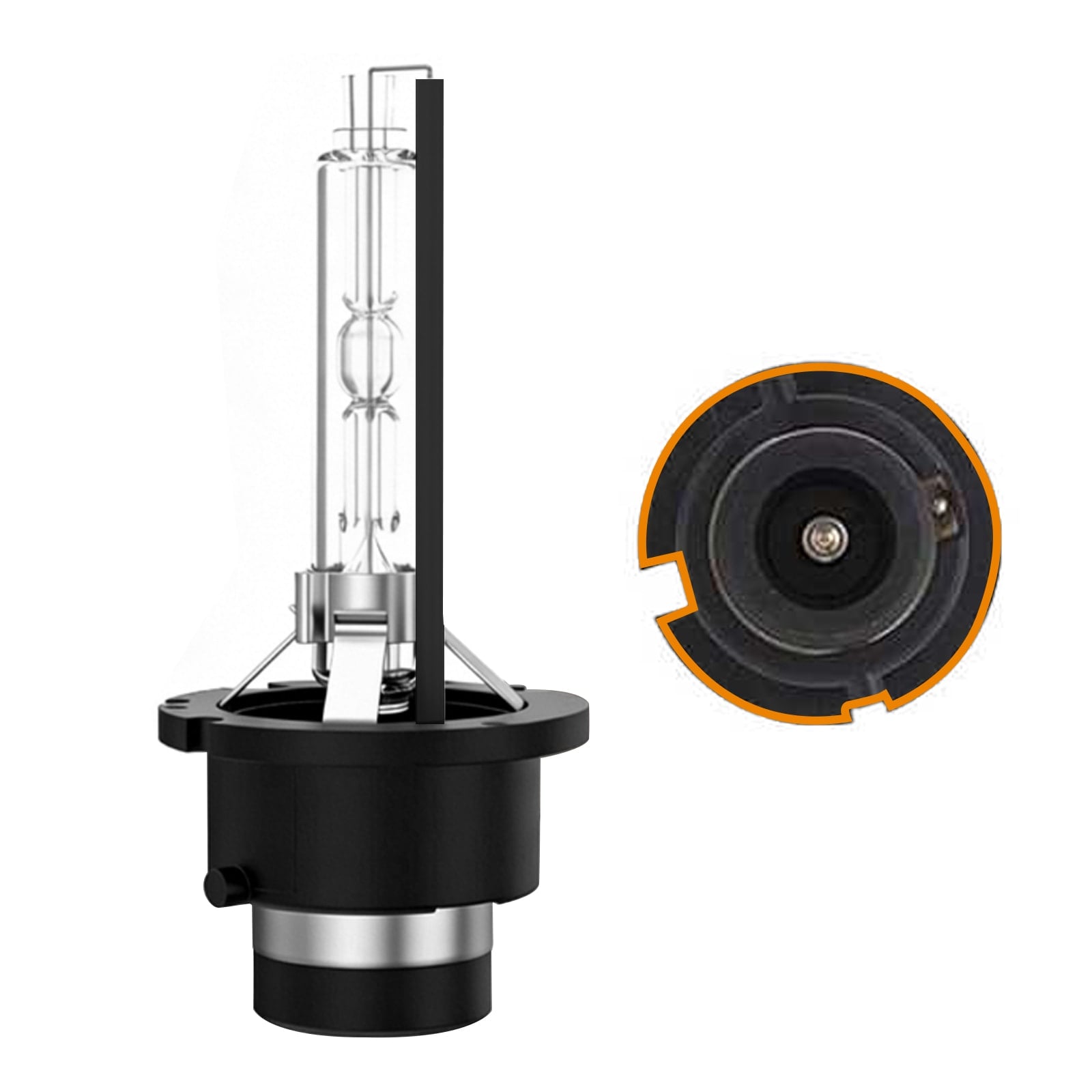
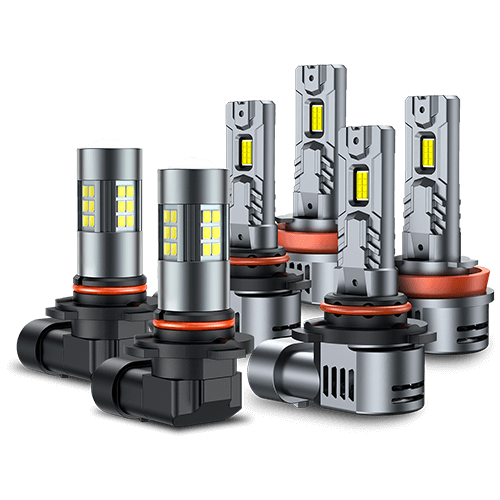


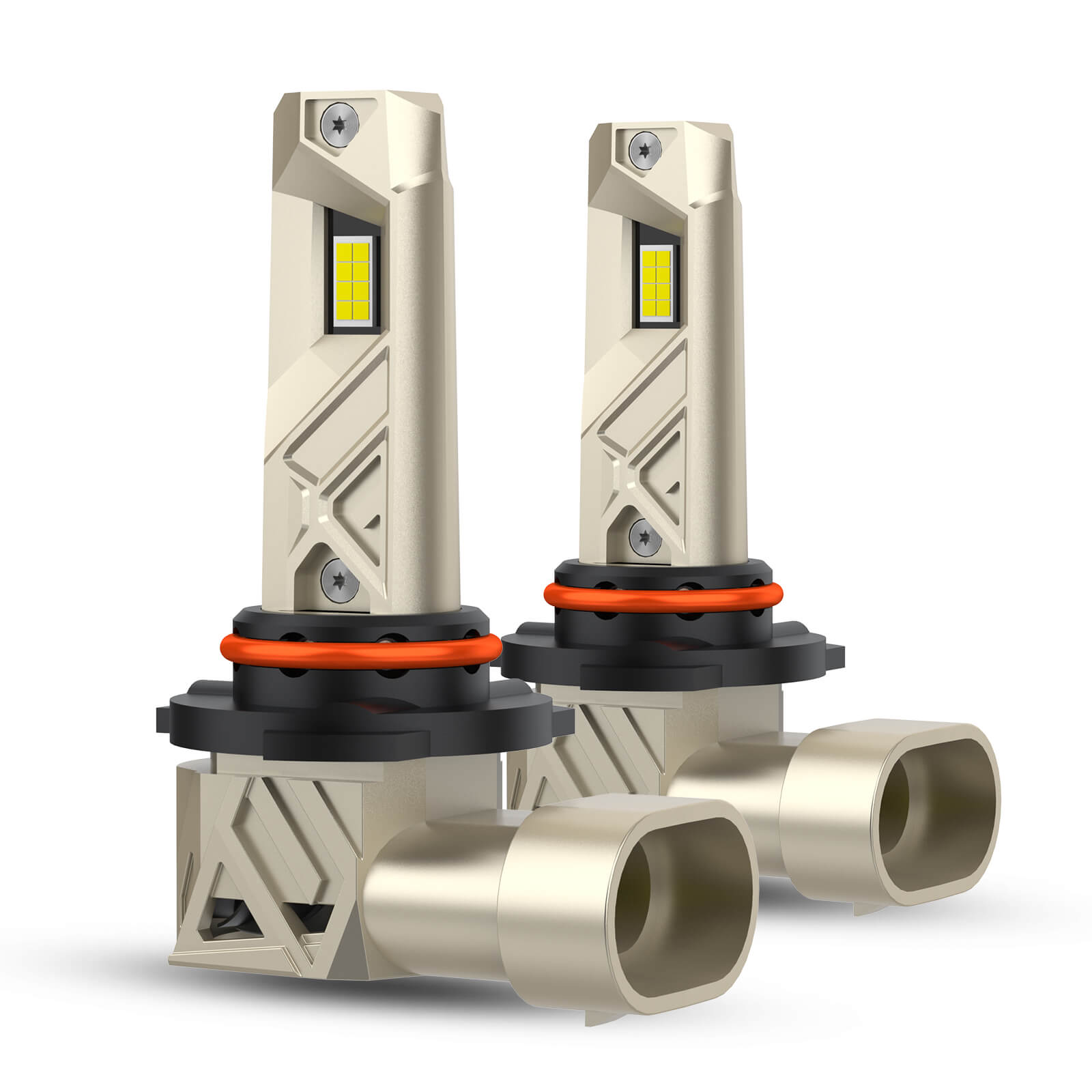


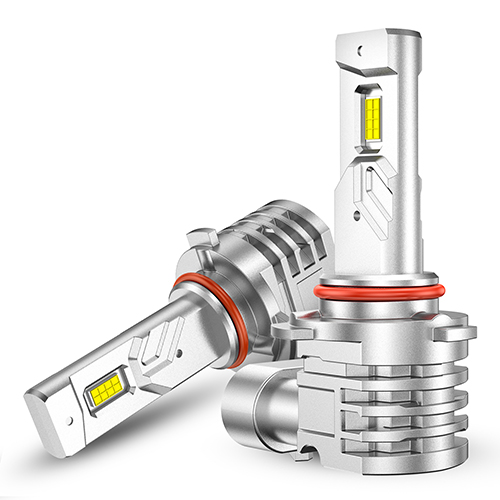
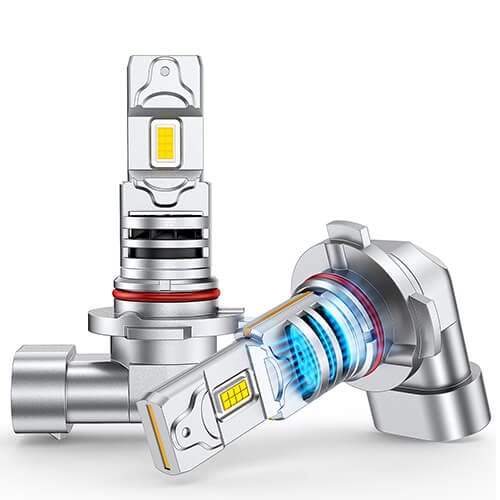

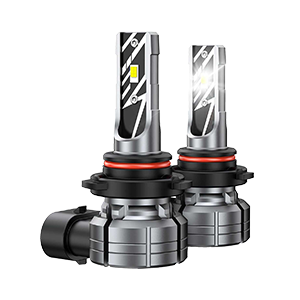


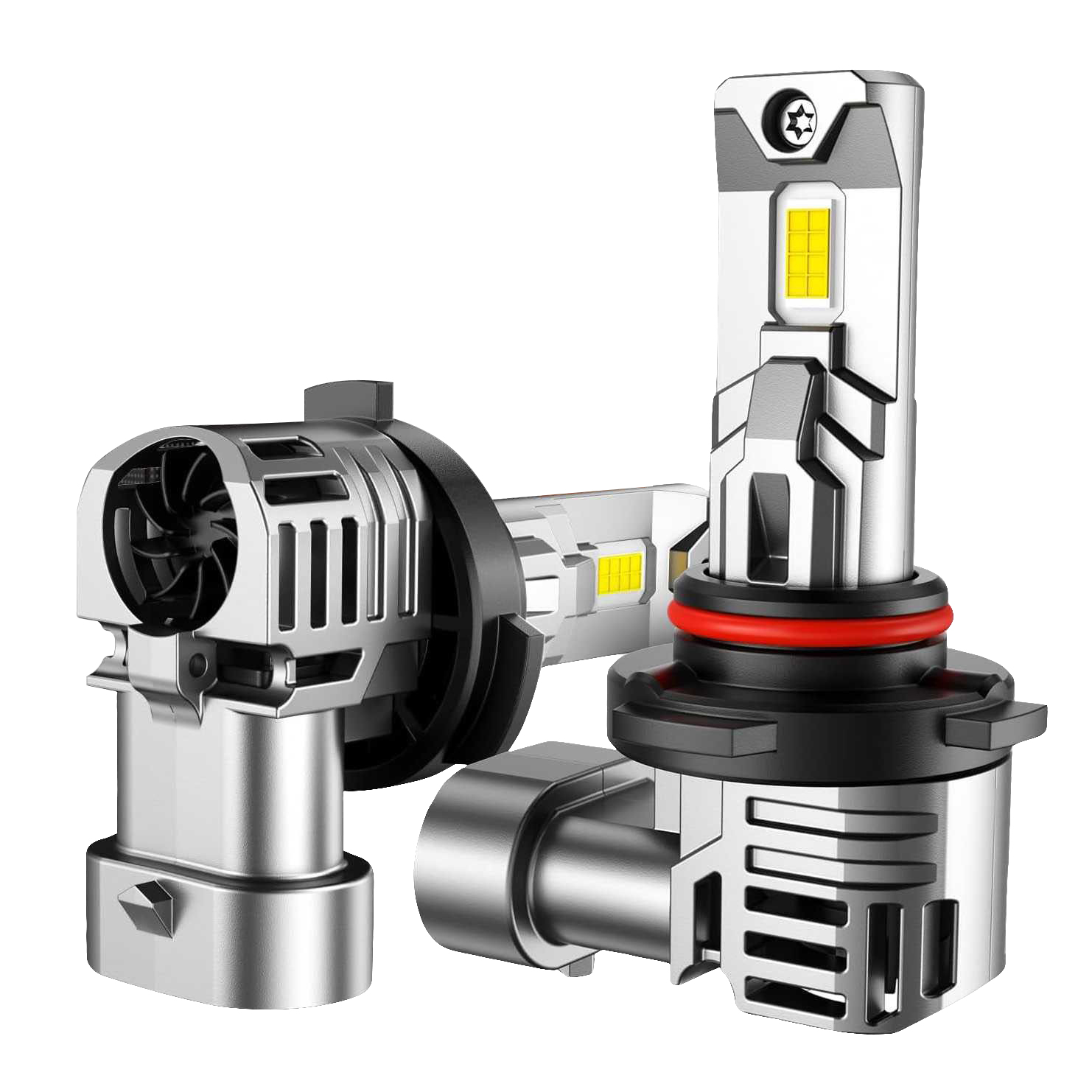


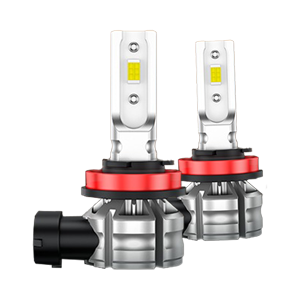


Let's start by answering the question posed in the title: LED headlight bulbs often incorporate small fans for proactive cooling. During operation, LED headlight bulbs generate heat, with approximately 30% of the energy used by LEDs being converted into light and the remaining 70% emitted as heat. Therefore, efficient cooling systems are necessary to ensure optimal performance.
The fans in LED headlight bulbs are a popular cooling method. They direct airflow over heat sinks and other thermal management components to help dissipate heat away from the LED chips and sensitive electronics.
Active cooling with fans enables high-power LED headlight bulbs to operate at optimal temperature levels, despite their intense heat output.
In this article, we will discuss the importance of heat management in LED headlights, compare fan-cooled and fanless LED headlight bulbs, and explore common cooling techniques.
Fan vs. Fanless LED Headlight Bulbs
When it comes to LED headlight bulbs, the choice typically comes down to higher-powered bulbs with integrated fans or more basic fanless bulbs. Here are the pros and cons of each option:
Fan-cooled LED Headlight Bulbs:
Method: Proactive cooling using small electric fans.
Pros: Can achieve higher power levels and brightness. Better temperature regulation for maximum bulb lifespan.
Cons: Often more expensive. Require space for fans and airflow, so may not fit some headlight housings. Can be noisier.
Fanless LED Headlight Bulbs:
Method: Passive cooling through heat sinks and thermal conduction alone.
Pros: Often more affordable and compact. Easier to install in almost any headlight housing. Silent operation.
Cons: Limited to lower power levels and less brightness due to poorer heat dissipation. Slower at cooling bulb, so higher operating temperatures reduce efficiency and lifespan.
Why LED Headlight Bulb Heat Management is Important
Effective heat management is critical for LED headlight bulbs to operate properly and achieve optimal performance. Here are the main reasons why controlling heat buildup is so important:
Impact on Power and Brightness
LED performance depends heavily on operating temperature. Stable temperatures are needed for continuous maximum light output and lifespan. An LED bulb's cooling system directly determines how much power it can draw and, consequently, its brightness level.
Fanless LED bulbs typically have lower power, while bulbs with fans and those with advanced copper cooling components have higher power. More effective heat dissipation means higher power and greater light output are possible.
Negative Effects of Poor Heat Dissipation
Inadequate heat management in an LED headlight bulb causes:
a. Faster light depreciation and lower efficiency. Excess heat reduces the ratio of energy converted to light, requiring more power for less output. This lowers the bulb's lumens per watt.
b. Shortened Lifespan. Higher temperatures accelerate the degradation of LED chips and internal components, causing premature failure. LED bulbs rated for thousands of hours may only last a few hundred without proper cooling.
c. Damage to Driver and Power Supply. Extreme heat can permanently damage the LED driver, power supply, and other sensitive electronics within the bulb. Quality cooling protects these components from overheating and failure.
Common LED Headlight Bulb Cooling Techniques Explained
In this section, we will explore three common cooling techniques used in LED headlight bulbs: passive cooling, active cooling with a fan, and liquid cooling.
Passive Cooling- Simple but Limited
Passive cooling refers to a fanless design with no moving parts. Instead, these bulbs rely on the inherent heat dissipation capabilities of the bulb itself. Typically, they feature large metal heat sinks at the bottom to facilitate heat conduction and radiation. The materials chosen for the bulb body often have excellent thermal conductivity and are relatively bulky.
For example, the LED bulb may incorporate an aluminum or copper substrate with a high thermal conductivity to help dissipate heat. The heat sink, usually in the form of cooling fins or fins on the bulb's surface, effectively increases the surface area for quick heat dissipation.
Pros: Passive cooling techniques have lower costs and are relatively easy to manufacture and assemble. These LED bulbs are compact and easy to install.
Cons: Due to the absence of a fan, the power capacity of passive cooling LED bulbs is generally limited, resulting in moderate brightness levels.
Example: The SEALIGHT S1 LED headlight bulbs have passive cooling features, using a sunflower design to maximize the air contact area and provide high heat dissipation without fan noise.
Proactive Cooling with a Fan - Effective and Affordable
In the early stages of LED headlight bulb development, fans were commonly used as a means of active cooling. These bulbs feature a built-in fan that helps enhance heat convection between the bulb and its surroundings, improving overall heat dissipation.
Pros: Active cooling with a fan allows for higher power capacity compared to passive cooling methods, resulting in increased brightness levels.
Cons: The inclusion of a fan increases production costs and adds complexity to the manufacturing and assembly process. Moreover, fans can generate noise, although efforts have been made to reduce fan noise in modern designs.
Example: The popular SEALIGHT S7 LED headlight bulbs use proactive cooling with powerful integrated fans to achieve higher brightness levels.
Liquid Cooling - High-Tech and High-End
Liquid cooling is a more advanced cooling technique primarily employed in LED headlight bulbs with high power and performance requirements. This method involves the use of heat pipe devices to enhance the thermal conductivity between the LED chips and the heat sink, thereby improving heat dissipation.
Pros: Liquid cooling provides enhanced heat dissipation, allowing for higher power capacity and increased longevity of the bulb.
Cons: Liquid cooling systems are more expensive to produce and involve complex assembly processes compared to passive and active cooling methods.
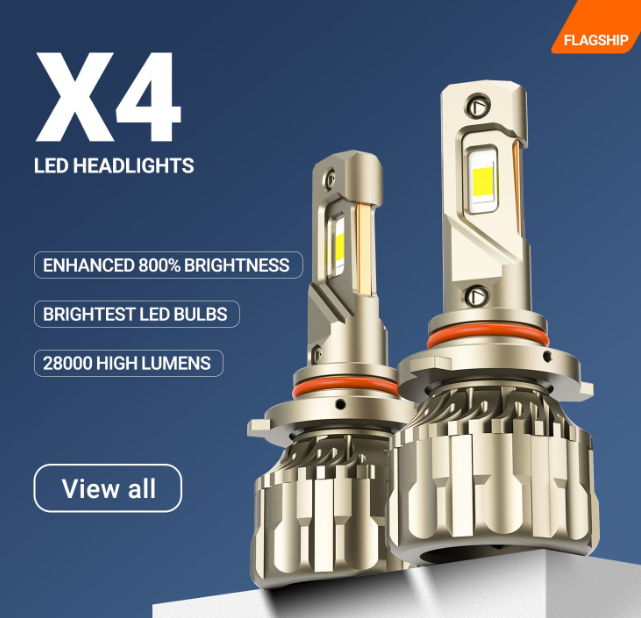
Example: The SEALIGHT X4 LED headlight bulbs use a liquid cooling temperature control system to achieve optimal performance and longevity.
SEALIGHT X4 - The Most Powerful Cooling System for the Brightest Output
The SEALIGHT X4 LED headlight bulbs employ the latest liquid cooling technology, an internal smart temperature control condenser tube design, and a built-in powerful fan. This combination effectively reduces bulb burnout and provides a 10 times longer lifetime than halogen bulbs.
The advanced cooling system reduces the working temperature to 80℃, resulting in a lifespan 10 times higher than stock halogen lamps. With 110W power and a stunning 28,000LM brightness, the SEALIGHT X4 LED headlight bulbs offer unparalleled performance and durability.
Enjoy free shipping, 90-day returns when you order direct from SEALIGHT. Use our automotive bulb finder to find the perfect LED headlight bulbs for your specific vehicle make and model. We put performance, quality, and customer satisfaction above all else.